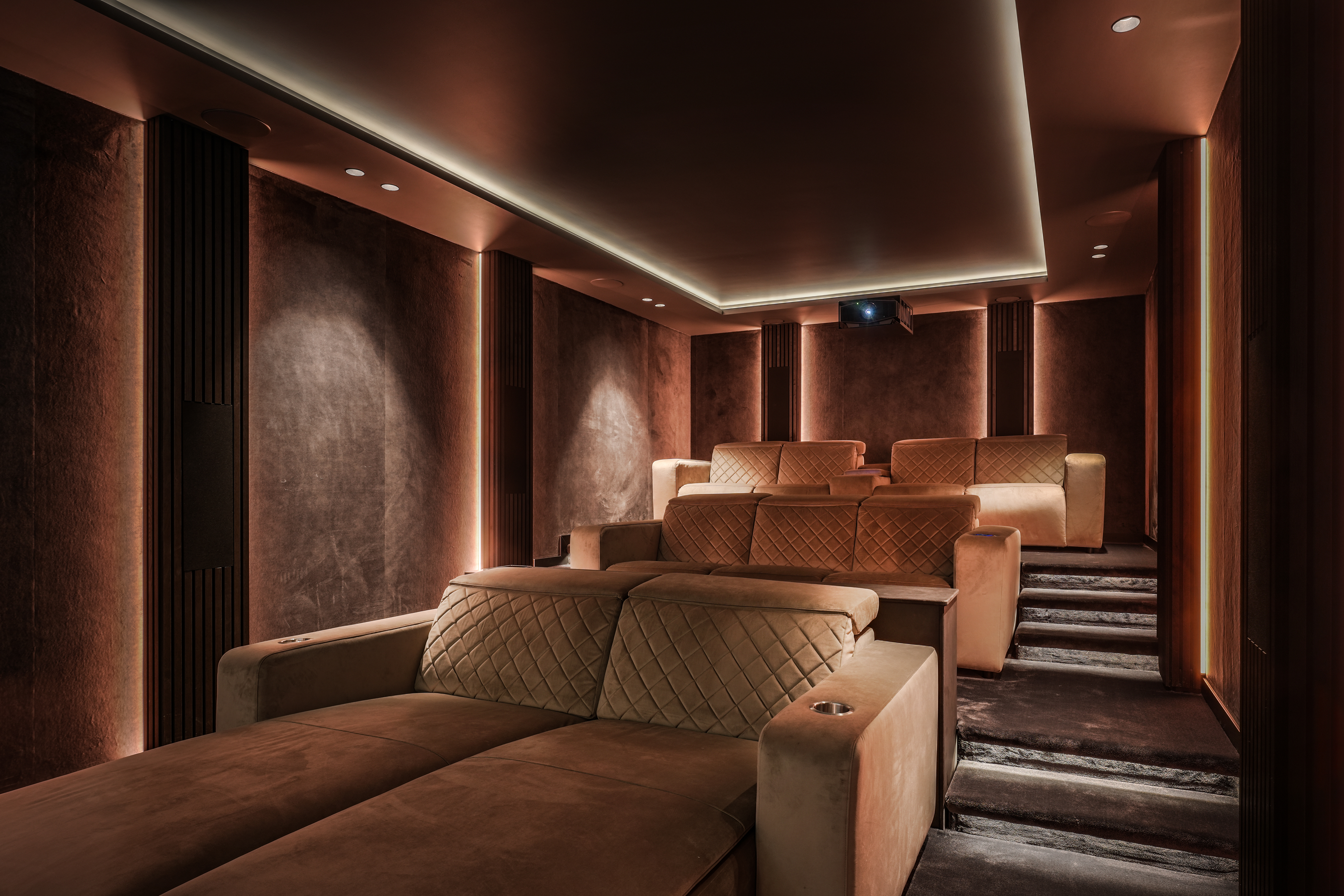
Leonas Kontvainis, Founder of Grand Film Chairs (available in the UK from Invision/Pulse Cinemas) argues that the conversation on seating needs to be a priority right from the start.
When a private cinema project begins, the conversation almost always starts with picture and sound. These elements are tangible, measurable and easy to compare across specifications. Yet seating often enters the process much later than it should, frequently treated as something to address once the technical framework is in place. This sequencing is understandable, but it overlooks the role seating plays in shaping the overall experience of the room.
I say this not as an AV specialist, but as someone who has spent more than fifteen years working globally in motion furniture technology. I approach the category from both an engineering and user-experience perspective. From that vantage point, I see a consistent paradox: seating is often one of the last elements specified, yet it is the first experience a user has in the room. It is the interface between the individual and the environment, and it quietly sets expectations for everything that follows.
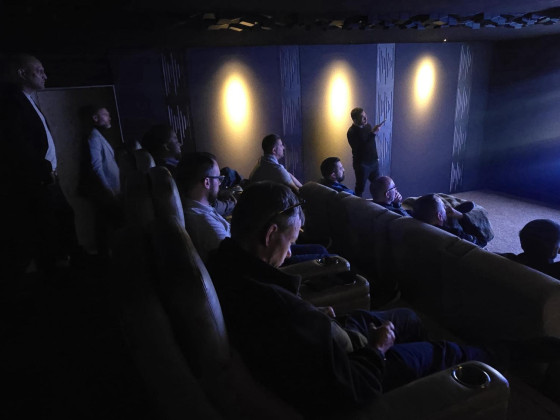
Before the projector turns on and before the surround system comes to life, the seating defines the space. The first physical interaction in any cinema is the moment someone sits down. Only after that does the audiovisual performance begin. Comfort, therefore, acts as a multiplier. If a viewer feels comfortable, supported and relaxed, they will enjoy everything that follows far more. If they do not, even exceptional technical performance can struggle to compensate.
Audience research over the past decade has consistently placed seating comfort among the top drivers of satisfaction, which explains the widespread adoption of luxury recliners across major cinema chains. Commercial venues have recognised that physical comfort directly influences dwell time and perceived value. In residential projects, however, seating is still sometimes treated as a finishing furniture decision rather than an engineered component of the system, despite the personal and long-term nature of the investment.
Moreover, there is another dimension that is often underestimated: comfort is not universal. Screen resolution and audio formats are globally standardised, but seating preferences are shaped by culture and ergonomics. Across Europe alone, one can observe clear differences in expectations around seating firmness, depth and design. Some markets favour deeper, more relaxed seating positions, others prefer firmer support and some mostly care about the visual presence of the furniture within the interior scheme. These nuances reinforce the importance of understanding the user rather than relying on assumptions.
Eurocentric
For a European specialist brand, this reality shapes development from the outset. Proportion, seat height, depth and long-term support must be considered before styling. Materials, mechanisms and structural integrity all contribute to sustained comfort over years of use. At the same time, comfort cannot be communicated through a specification sheet. Unlike AV performance, which can be measured and demonstrated against technical benchmarks, seating must be experienced physically. Encouraging clients to test and engage with seating early in the process can transform how they evaluate the space.
Since 2020, the role of the home has evolved. Private cinemas and media rooms are no longer niche indulgences; they are lifestyle spaces shared by family and guests, often serving multiple purposes beyond film viewing. Not everyone who enters a home cinema is focused on projector specifications or sound processing. Everyone, however, understands comfort. In that sense, seating becomes the common denominator of the experience and an anchor for social interaction within the room.
None of this diminishes the importance of picture and sound. They remain the foundation of any successful cinema project. But when seating layout, ergonomics and integration are considered earlier in the process, the result is more cohesive and more satisfying. The future of high-end private cinema will not be defined solely by higher technical specifications, but by how well engineering, design and human comfort are aligned. Seating may appear at the end of the budget discussion, but it is always the beginning of the user experience.
For more information, contact your account manager or contact the Pulse team.